

Post-Remediation Verification Oklahoma City
Verify the Work. Document the Condition. Support Project Closure.
A Pioneer Environmental Post-Remediation Verification assessment evaluates whether remediated areas appear to have been properly cleaned, addressed, and returned to an acceptable post-remediation condition based on observed conditions, project context, and verification testing where warranted.
Want a complete breakdown of what's included in a Post-Remediation Verification and when this assessment should be scheduled?

Independent Verification - Not Remediation Work
We do not perform mold remediation. We provide independent post remediation assessment, documentation, and verification of observed conditions following cleanup.

What’s Included in a Post-Remediation Verification?
A post-remediation verification includes a structured evaluation of completed work, visual and environmental assessment of remediated areas, and confirmation that conditions meet project-specific clearance criteria.


Detailed Visual Inspection
Moisture Mapping & Infrared Screening
Targeted Air & Surface Sampling
Project Closure Documentation
Condition Documentation & Next-Step Guidance
Comprehensive visual evaluation of remediated work areas to assess overall cleanliness, dust, debris, residue, and whether visible fungal growth or other unresolved deficiencies remain present following corrective work.
Non-invasive moisture investigation using moisture meters and infrared thermography to help determine whether moisture conditions appear controlled and whether unresolved wetting or intrusion concerns remain evident.
Spore trap air sampling and/or surface sampling may be performed when project conditions, client objectives, or site circumstances support additional post-remediation verification and documentation of remaining concerns.
Clear reporting prepared to support project closure, re-occupancy decision-making, reconstruction planning, or documentation regarding whether post-remediation conditions appear consistent with project-specific goals.
Assessment of indoor environmental conditions and airborne particulate levels within the work area to help evaluate whether post-remediation cleaning and site preparation appear consistent with project expectations.
Why Post-Remediation Assessment Matters

Helps Confirm Remediation Quality
Identifies Remaining Deficiencies
Supports Rebuild Decisions
Provides Independent Documentation
When to Schedule a Post-Remediation Assessment
Remediation work has been completed
Verification helps determine whether cleaning and removal activities appear to have been properly carried out.
You need independent confirmation of completed work
Independent verification provides objective documentation regarding the apparent condition of the remediated area following corrective action.
Visible mold growth or debris was previously present
Evaluation helps confirm whether impacted materials were removed, cleaned, and detailed appropriately within the remediated area.
There is concern that remediation may be incomplete
Assessment can help identify remaining dust, debris, or conditions suggesting the work may require further correction.
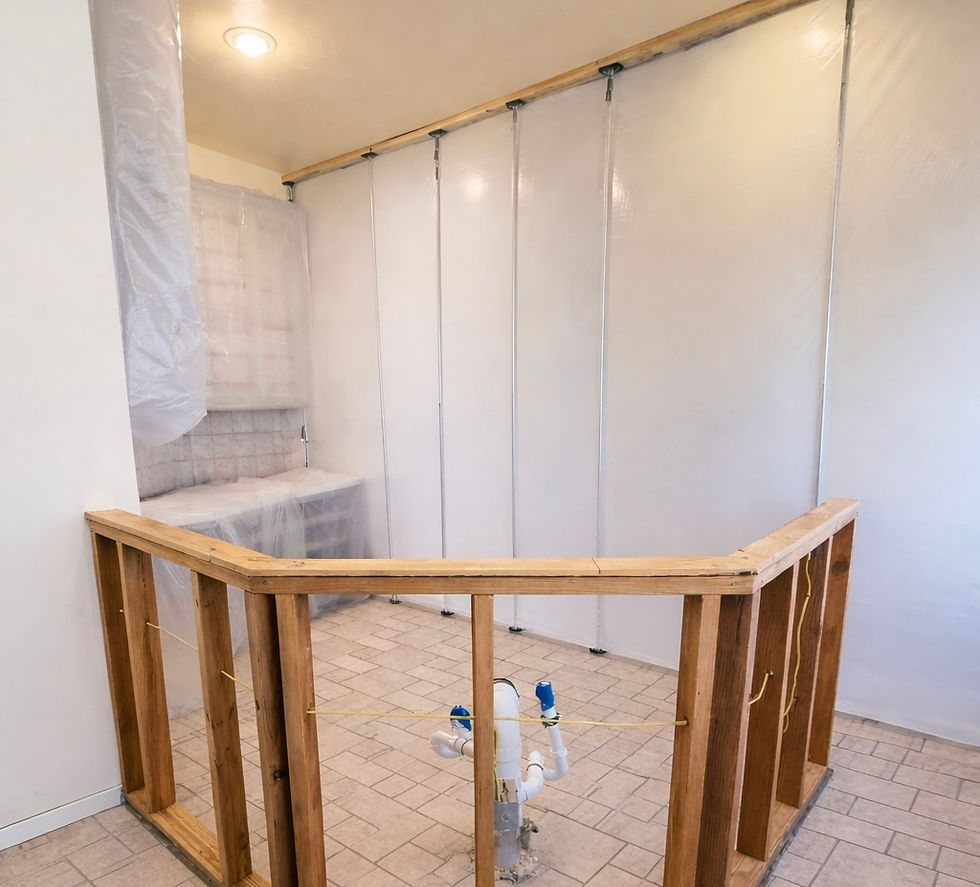
Containment has been removed or is ready to be removed
A post-remediation verification helps assess whether the work area is ready for final clearance and return to service.
Evaluate whether cleaned areas appear to meet post-remediation expectations
Reveal unresolved dust, debris, staining, or suspect material conditions before closure
Helps determine whether reconstruction should proceed
Establishes a neutral third-party record observed post remediation conditions

Clearance documentation is needed after corrective action
Verification supports informed decision-making by documenting whether post-remediation conditions appear consistent with project goals.
What’s Included in a Mold Assessment?
A mold assessment includes a structured evaluation of visible conditions, moisture-related building material impact, environmental conditions, and fungal concerns within the areas evaluated. The process may include visual inspection, moisture and infrared investigation, and targeted environmental sampling when warranted to help characterize indoor conditions and support informed decision-making.
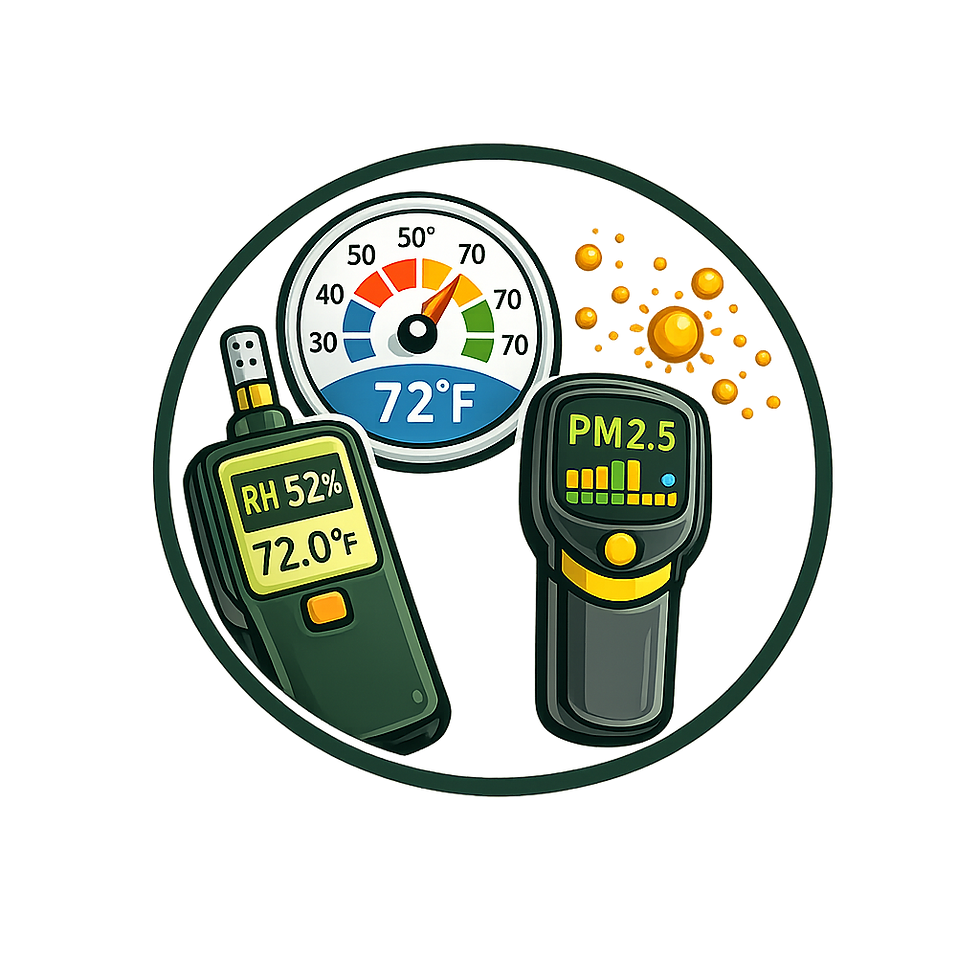
Atmospheric Conditions & Particle Counting
Detailed reporting of remediated conditions, observed deficiencies, and practical next-step guidance where additional cleaning, corrective work, source correction, or further evaluation may still be warranted.

Independent - Science Based - Project Focused - Defensible
Professional Assessments Based on Observed Conditions & Industry Standards


Confirm the Project Was Completed Properly

Know the post-remediation condition before reconstruction or re-occupancy begins.
405-463-3463
pioneer-enviro.com
